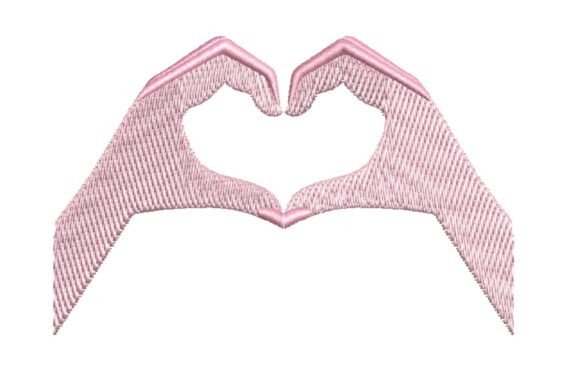
Happy Valentine’s Day Embroidery Design Review
As a professional embroidery designer who has spent years setting up booths at bustling craft fairs and managing online handmade shops, I know that the difference between a sold-out weekend and a quiet table often comes down to one thing: the quality and versatility of your design assets. Today, I am reviewing the Happy Valentine’s Day Embroidery Design, a machine embroidery file promising to celebrate love, romance, and creativity with an elegant aesthetic. Before I commit my production time to turning this digital file into physical inventory for the upcoming Valentine's season, I need to evaluate if it truly translates from the screen to the fabric in a way that sells.
First Impressions: Elegance Meets Market Appeal
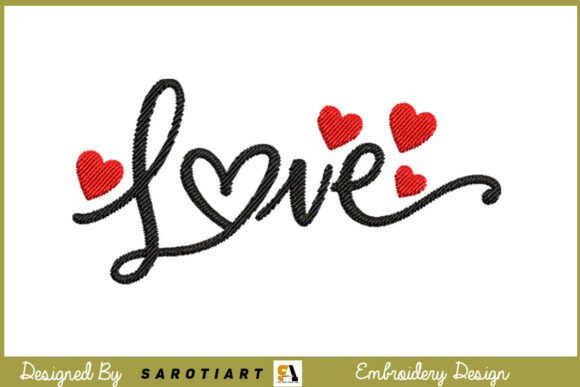
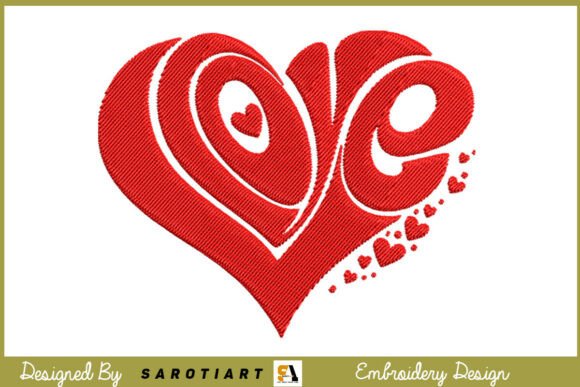
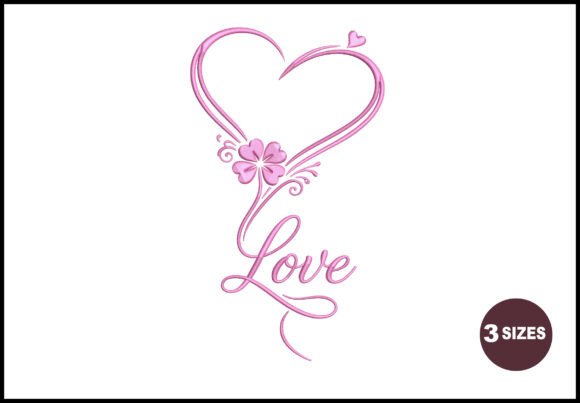
When I first load the Happy Valentine’s Day Embroidery Design into my digitizing software, the description promises "elegant" execution. In the world of craft fair products, elegance is a powerful selling point, but it must be balanced with visibility. From the preview, the design features a classic love heart motif paired with clear typography. It does not feel cluttered or overly trendy, which suggests it will age well beyond a single holiday. For an Etsy seller or boutique maker, this timeless quality is crucial. It feels less like a novelty item and more like a premium addition to a home decor collection. The visual weight of the design suggests it could work beautifully as a focal point on larger items or as a sophisticated accent on smaller accessories.
Product Versatility: Where Does It Shine?
The true test of any machine embroidery design is its adaptability across different product categories. As I plan my booth display, I am considering several key applications where the Happy Valentine’s Day Embroidery Design could drive sales.
- Tote Bags and Market Bags: A tote bag design needs to be legible from a distance. This file appears to have enough contrast and definition to stand out against canvas or cotton blends. If placed centrally on a neutral-colored tote, it becomes an instant conversation starter for customers browsing the aisle.
- Kitchen Textiles: Apron embroidery and tea towel embroidery are staples for handmade markets. The romantic theme fits perfectly here. Imagine this design stitched onto a high-quality linen apron; it elevates a simple kitchen tool into a giftable luxury item. However, the texture of the fabric matters significantly here.
- Wearable Accessories: Caps and embroidered patches are high-margin items. The design's structure seems robust enough to handle the curvature of a cap, provided the hoop size is managed correctly. Patches made from this file could be sold individually or attached to denim jackets, adding a touch of Valentine's charm to streetwear.
- Home Decor: Pillow covers and small fabric pouches offer another avenue. The "elegant" description implies that this design would look refined on a throw pillow, appealing to customers looking for seasonal decor that isn't tacky.
Production Realities: Practical Considerations for Makers
While the visual appeal is strong, producing a successful handmade product requires a critical eye toward technical execution. As I prepare to stitch the first batch, I am focusing on several practical aspects that determine whether this digital embroidery file will result in a flawless finished product.
Stitch Density and Fabric Texture
One of the most common pitfalls in commercial embroidery is misjudging stitch density. If the Happy Valentine’s Day Embroidery Design has dense areas, particularly within the heart or the lettering, it can cause puckering on lighter fabrics like standard quilting cotton. For textured towels, such as waffle weave tea towels, high density can lead to uneven stitching where the thread sinks into the gaps. I recommend testing the design on scrap fabric first to ensure the stitches lay flat and the details remain crisp. If the design feels too heavy, adjusting the pull compensation or using a cutaway stabilizer might be necessary to maintain that premium look.
Legibility and Scale
For a design to sell at a craft fair, it must be understood at a glance. Customers walk quickly; they do not lean in to squint at tiny details. The lettering in this embroidery file must remain legible even when scaled down for small pouches or patches. If the font includes intricate serifs or thin lines, shrinking the design could cause threads to break or letters to blur together. Conversely, if used as a large focal design on a tote bag, the spacing between elements must be reviewed to prevent crowding. Always confirm the minimum recommended size before committing to a run of small shop products.
Thread Contrast and Color Selection
The description mentions celebrating love, which naturally suggests reds and pinks. However, for a broader market appeal, I am considering how this design performs in alternative colorways. Using metallic threads or soft pastels could elevate the perceived value of the finished product. When photographing these items for online listings or printable mockups, the contrast between the thread colors and the fabric background is vital. A dark fabric requires a light thread, and vice versa, to ensure the design pops in both person and in photos. Poor contrast is a silent killer of sales; if a customer cannot see the design clearly in your photo, they will scroll past.
Strategic Selling: Maximizing Booth and Online Presence
Integrating the Happy Valentine’s Day Embroidery Design into a business strategy goes beyond just stitching it. It affects brand consistency and buyer engagement. For a craft fair booth, having a cohesive line of products—such as matching aprons, towels, and bags featuring this design—creates a strong visual statement. It signals professionalism and attention to detail. For the Etsy seller, creating high-quality printable mockups allows you to showcase the design on various backgrounds without needing to produce every single variation physically.
Furthermore, understanding the target audience is key. This design appeals to those seeking "romance and creativity," suggesting a demographic interested in thoughtful gifts rather than cheap novelties. Pricing should reflect the quality of the materials and the precision of the embroidery. If the commercial embroidery looks polished, customers are willing to pay a premium. However, if there are loose threads or uneven tension, the perceived value drops instantly.
Final Checklist for Designers and Sellers
Before you rush to produce hundreds of units based on this Happy Valentine’s Day Embroidery Design, take a moment to run through this essential checklist to ensure success:
- Test Stitch Everything: Never skip the test run on the actual fabric you intend to use. Check for puckering, skipped stitches, or thread breaks.
- Verify Licensing: Ensure you have the correct commercial license to sell finished goods. Many digital files have restrictions on resale or volume limits.
- Check Hoop Size Compatibility: Confirm that your machine hoops can accommodate the design dimensions without distorting the image.
- Select the Right Stabilizer: Use tear-away for stable fabrics and cut-away for stretchy knits or caps to support the stitch density.
- Create Real Mockups: Photograph at least one real sample to capture the true texture and sheen of the thread for your marketing materials.
- Review Spacing: Ensure there is adequate room around the design so it does not look cramped on the final product.
In conclusion, the Happy Valentine’s Day Embroidery Design holds significant potential for craft fair sellers and digital entrepreneurs. Its elegant style bridges the gap between festive fun and sophisticated home decor. By paying close attention to production details like stitch density, fabric choice, and color contrast, you can transform this digital asset into a standout craft fair product that captures hearts and fills your inventory ledger. Whether you are sewing aprons, patching caps, or decorating pillows, the care you put into the execution will define the success of your Valentine's collection.