Islamic Mosque Embroidery: A Designer's Real-World Review
As a designer who has spent years navigating the intersection of digital files and physical thread, I approach every new machine embroidery design with a specific set of questions. Does the stitch path hold up under tension? Will the visual impact translate from the screen to the fabric? Most importantly, can this asset be used to create a high-value handmade product that customers will actually want to buy? Today, I am putting Islamic Mosque Embroidery through its paces to see if it meets the demands of real-world craft business applications.
First Impressions: Mood and Visual Architecture
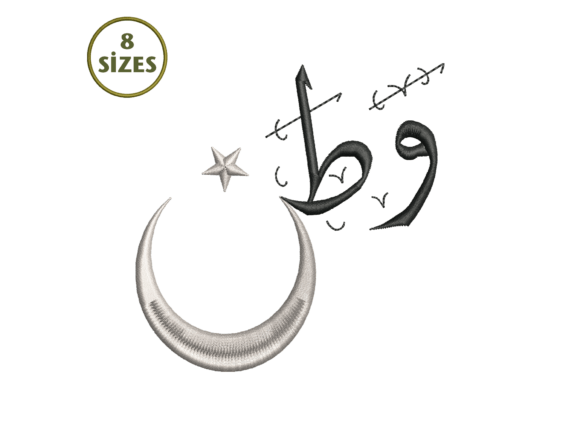
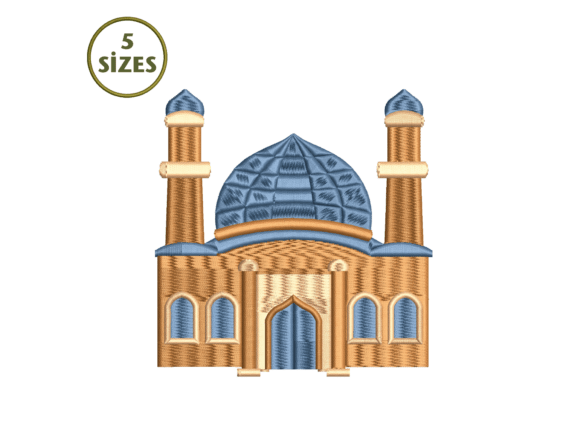
When you first load the preview of Islamic Mosque Embroidery, the immediate feeling is one of reverence and structural elegance. The design captures the iconic silhouette of a mosque, likely featuring domes and minarets, which are central to Religion and cultural identity. From a purely aesthetic standpoint, the layout feels balanced. It avoids the common pitfall of being too cluttered, instead opting for clean lines that suggest a sophisticated fill stitch strategy rather than chaotic detail.
The visual personality here is serene yet bold. This isn't a tiny accent motif; it is a statement piece. For an Etsy seller or boutique owner looking to expand their catalog into culturally significant decor, this design offers a strong focal point. The geometry inherent in the architecture suggests that the stitch density is likely optimized to prevent puckering while maintaining definition. However, as we move from the screen to the machine, we need to consider how these shapes behave on different surfaces.
Testing the Design: A Custom Tote Bag Scenario
To truly evaluate Islamic Mosque Embroidery, let's imagine a practical scenario. You are preparing a line of premium canvas tote bags for a local gift shop. These bags need to withstand daily use, frequent washing, and heavy loads. You decide to place the mosque design prominently on the front panel.
In this context, the design's strength lies in its scalability. Unlike intricate floral patterns that can get lost when scaled down, the architectural elements of Islamic Mosque Embroidery retain their integrity even at larger sizes. When I visualize the finished product, the contrast between the sturdy canvas texture and the smooth satin stitch outlines of the domes creates a tactile appeal that customers love. It transforms a generic utility item into a personalized gift with deep meaning.
However, there is a nuance to consider. If the design relies heavily on fine running stitch details for the windows or arches, those might get swallowed by the weave of a heavy-duty canvas. Before committing to a full production run, I would strongly advise testing the design on a scrap piece of the exact fabric you intend to use. Check if the thread colors pop against the natural beige or off-white of the canvas, or if they blend in too much. A test run ensures that the final finished product looks professional and not muddy.
Navigating Fabric Challenges and Hoop Sizes
While Islamic Mosque Embroidery works beautifully on stable fabrics like denim, linen, or heavy cotton, you must exercise caution with other materials. If you plan to use this design for custom apparel such as sweatshirts or t-shirts, the stretch factor becomes critical. Stretchy fabrics can distort the vertical lines of the minarets if the proper stabilizer is not used.
For curved surfaces like caps or hats, the challenge increases. The dome shape of the mosque might interact interestingly with the curve of a cap, but the flat areas of the design could suffer from registration issues. In these cases, you might need to adjust the hoop size or split the design into smaller sections to maintain accuracy. Always confirm the recommended hoop size provided with your digital embroidery file. If the design is intended for a large hoop, trying to force it into a small 4x4 inch hoop will result in a cramped, unrecognizable mess.
Furthermore, dark fabrics present a unique opportunity and risk. While black or navy backgrounds make white or gold threads shine brilliantly, they also highlight any skipped stitches or uneven density. Inspect the stitch density closely. If the fill areas are too sparse, the dark fabric will show through, breaking the illusion of solid color. Conversely, if the density is too high, the fabric may pucker, ruining the drape of a garment like an apron or pillow cover.
Commercial Viability and Brand Consistency
For creative entrepreneurs running a craft business, the value of a design extends beyond its look; it is about brand consistency and customer trust. Islamic Mosque Embroidery fits perfectly into niches focused on heritage, faith-based gifts, or home decor. Whether you are creating holiday embroidery for Ramadan or Eid, or simply offering year-round cultural items, this design adds a layer of authenticity to your shop.
When listing this as a small shop product, presentation is key. Use high-quality printable mockups to showcase how the design looks on various items like baby clothes, tea towels, or blankets. Customers need to see the potential before they buy. A well-presented embroidered patch version of this design could also be a hit for those who want to customize existing jackets or bags without sewing the whole thing themselves.
Remember that selling finished goods requires careful attention to licensing. Since this is a digital product delivered as a ZIP or RAR file, ensure you understand the terms regarding commercial use. Can you sell the finished items? Can you resell the file itself? Clarity here protects your business reputation. A professional approach to licensing builds trust with your buyers and fellow designers.
Practical Notes for the Serious Maker
If you decide to incorporate Islamic Mosque Embroidery into your workflow, keep these practical notes in mind:
- Test First: Never skip the test stitch on scrap fabric. It saves time, thread, and frustration.
- Stabilizer Matters: Use a cut-away stabilizer for stretchy fabrics like sweatshirts and a tear-away for stable fabrics like tote bags.
- Color Strategy: Plan your thread colors to match the mood. Golds, creams, and deep blues often work best for this theme.
- Check Details: Zoom in on the smallest elements. Ensure they are large enough to stitch clearly on your machine.
- Licensing Check: Verify if the embroidery file allows for commercial sales of finished goods before listing them online.
In conclusion, Islamic Mosque Embroidery is a versatile and dignified asset for any serious maker. It bridges the gap between traditional artistry and modern Embroidery techniques. With careful preparation and respect for the material, it can elevate your personalized gift offerings and add significant value to your portfolio. Whether you are stitching a single item for a friend or producing a batch for your online store, this design has the potential to create something truly meaningful.