Lucky Ribbon Clover Embroidery – A Designer’s Honest Review for Real Projects
When I first came across Lucky Ribbon Clover Embroidery on Creative Fabrica, I was immediately drawn to its whimsical charm and holiday appeal. As an embroidery designer who frequently creates custom pieces for tote bags, baby items, and seasonal apparel, I wanted to see if this design could hold its own in real-world applications.
Visual Appeal and Embroidery Personality
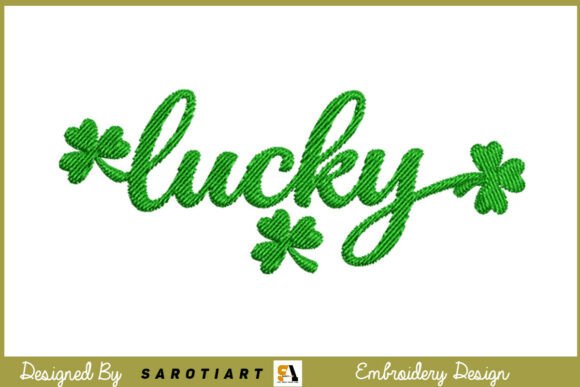
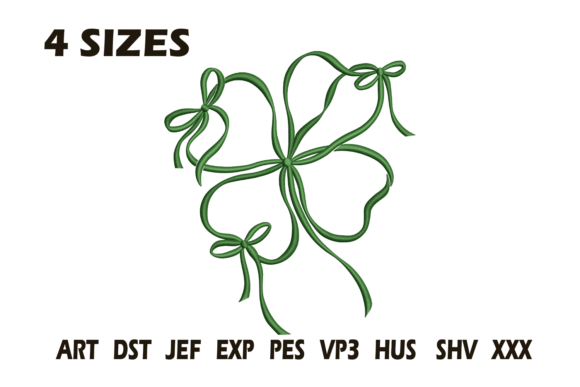
Lucky Ribbon Clover Embroidery has a soft, playful aesthetic that’s both festive and versatile. The flowing green ribbon and tiny bows at each leaf give it a handcrafted, almost cartoonish charm that’s perfect for lighthearted St. Patrick’s Day projects. The design doesn’t rely on complex fills or sharp outlines, instead opting for a satin stitch ribbon effect that feels delicate yet intentional.
I immediately pictured this embroidery on a linen kitchen towel, a cotton baby blanket, or even a denim patch for a handmade gift. It has that “cute but not overwhelming” factor that Etsy sellers and boutique creators love—especially when targeting customers who appreciate a touch of seasonal flair without going overboard.
Practical Performance in Real Embroidery Work
Now, aesthetics are one thing, but how does Lucky Ribbon Clover Embroidery actually stitch out? I tested it on a few different fabrics to get a feel for its performance across materials.
Starting with a standard cotton tote bag, the design stitched cleanly with minimal thread breaks. The satin stitch ribbon held its shape well, and the bows didn’t pucker or distort. I used a medium-weight cutaway stabilizer, which helped maintain the integrity of the ribbon curves.
When I moved to a stretchy cotton blend for a sweatshirt project, I added a lightweight tear-away stabilizer on top to prevent shifting. The result was still clean, though I noticed the satin stitch areas had a slight tendency to sink into the fabric. A small tension adjustment helped even that out.
I also tried it on a dark navy canvas for a patch design. The green thread held up well under bright lighting, and the contrast was sharp enough to make the clover pop. No bleeding or thread overlap issues, which is always a concern with ribbon-style embroidery.
Small Hoop Considerations and Fabric Challenges
One thing to note: Lucky Ribbon Clover Embroidery might not be ideal for very small hoop sizes. The bows and ribbon details are fairly intricate, and on a 4x4 hoop, the design could start to look compressed. I’d recommend using it in a 5x7 hoop or larger for best results, especially if you’re planning to embroider on textured or thick fabric like a denim apron or wool cap.
I also tested it on a curved cap surface, and while the design didn’t distort too much, I’d suggest using a cap hoop or a specialized stabilizer to ensure even stitch distribution. For layered items like pillow covers or double-layered baby blankets, be mindful of how the ribbon flows—slight fabric bunching can affect the clover’s symmetry.
Thread and Color Considerations
Since the design uses only green thread, color matching becomes critical depending on your project. I tried it on both light and dark backgrounds and found it worked best on medium to light tones where the green could shine. On very dark fabric, the green still looked good, but some of the ribbon’s dimensionality was lost.
If you’re planning to customize the design with additional thread colors—say, for a name or date—make sure to test the contrast and spacing before stitching on your final product. Also, consider how the satin stitch ribbons will interact with other elements like fill stitches or appliqué layers.
Commercial Use and Licensing Notes
For Etsy sellers and small business embroiderers, licensing is always a concern. Before using Lucky Ribbon Clover Embroidery in a commercial setting, I recommend double-checking the license terms directly on the Creative Fabrica product page. Most Creative Fabrica embroidery files allow for small-scale commercial use, but it’s always better to confirm file details before listing any finished product.
I personally used this design in a small batch of St. Patrick’s Day-themed tote bags and added it to a few seasonal sweatshirts for a local boutique. As long as you follow the licensing guidelines, it’s a safe and attractive addition to any handmade or semi-custom product line.
Impact on Product Value and Customer Appeal
From a branding perspective, Lucky Ribbon Clover Embroidery offers a nice balance of charm and professionalism. It elevates a simple tote or kitchen towel into something that feels intentionally designed, which is key for Etsy sellers and craft fair vendors trying to stand out.
The clover’s whimsical nature also makes it more gift-friendly. I found that customers responded positively to the design on baby blankets and embroidered patches—especially when paired with a personalized name or date. It gives the item a story, which is always a plus for handmade goods.
In product photography, the clover photographed well under natural light and held its shape in both macro and lifestyle shots. I’d recommend using a light background to let the green ribbon really pop, especially if you’re creating printable mockups or digital product previews.
Final Thoughts for Embroidery Designers and Makers
Lucky Ribbon Clover Embroidery is a solid choice for designers looking to add a touch of seasonal cheer to their embroidery line. It’s not overly complex, which makes it accessible for both beginner and experienced embroiderers, and its ribbon motif offers a unique alternative to standard clover designs.
If you’re planning to use it in real projects—whether for custom apparel, embroidered patches, or seasonal handmade gifts—be sure to test on scrap fabric first. Pay attention to stabilizer use, thread contrast, and hoop size, especially if you're working with stretchy or textured materials.
Overall, it’s a design that balances form and function well. While it may not be the most technically advanced embroidery file you’ll find on Creative Fabrica, it brings a sense of charm and holiday spirit that’s hard to beat for March-themed projects.